Someone may question whether they have a mental illness for a number of reasons. For instance, stigma may make them feel as though their feelings are invalid, or they may believe their experiences are a normal part of life. In any case, a lack of information about mental health can often leave them wondering, “Do I have a mental illness, or am I overreacting?”
Today, we at The Blackberry Center would like to take some time to guide you through your worries. Mental health can feel like a difficult subject to approach, but it is an important part of everyone’s lives. There is no shame in discussing it openly and taking action to make improvements.
Types of Mental Illness
Types of Mental Illness
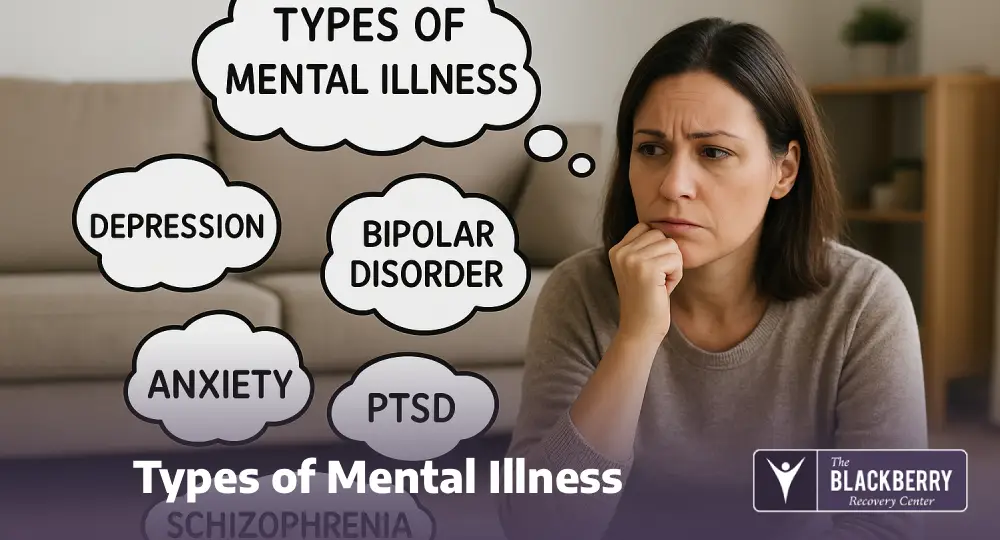
Mental disorders can appear in many forms. Some, like depression, are relatively common, affecting over 18 million people every year. Others occur somewhat less frequently. In either case, it’s normal for an individual to have difficulties identifying their own mental illness.
For reference, other types of mental disorders include:
- Bipolar disorder
- Anxiety disorders
- Substance use disorder
- Obsessive-compulsive disorder
- Panic disorder
- Personality disorders
- Phobias
- Post-traumatic stress disorder (PTSD)
- Schizophrenia
Each of these mental illnesses has its own symptoms and diagnostic criteria. When someone asks, “Do I have a mental illness, or am I overreacting?” they could be referring to any potential condition. For that reason, it is important to investigate the specific symptoms you experience so mental health professionals can correctly assess how to help you.
Warning Signs of Mental Illness
Fortunately, even though mental illnesses are very diverse, many of their collective symptoms can be divided into broad categories. This makes it easier to pinpoint if something is wrong, or in this case, find a possible answer to the question, “Do I have a mental illness, or am I overreacting?”
Mood Changes
It is normal to exhibit mood changes in the wake of events like these. Part of the reason someone may ask, “Do I have a mental illness, or am I overreacting?” likely includes the fact that most people experience bouts of sadness, nervousness, and other negative emotions on occasion. By themselves, these feelings do not always lead to mental illness.
However, symptoms should eventually lessen. If mood changes persist for a certain period of time—in many cases, longer than two weeks—it could indicate a deeper issue. Similarly, if someone cannot identify a cause or source for their worsening moods, they may need to speak with a mental health professional.
Distorted Perceptions
Mental illness can also influence people’s perceptions of themselves and the world around them. For example, some mental health conditions make people experience hallucinations. Any type of hallucination, whether visual, auditory, tactile, or otherwise, is worth mentioning to a mental health professional, particularly if they are recurring.
That said, in many cases, the question, “Do I have a mental illness, or am I overreacting?” stems from a more inward place. For instance, distorted perceptions can also warp someone’s sense of self or trigger body dysmorphia.
If you regularly feel worthless, like your body belongs to someone else, or like people have an agenda against you, it may be due to mental illness. It is not normal to consistently believe you are incapable or unloved. If you have those types of feelings, you may benefit from reaching out for support.
Loss of Day-to-Day Functioning
If your symptoms are severe enough to inhibit your daily functioning, it is unlikely that you are just “being dramatic” about your mental health. Many mental illnesses affect someone’s ability to complete tasks at work, school, or home.
For example, someone with depression may not be able to get out of bed. Alternatively, a loss of day-to-day functioning can also involve difficulty focusing, sleep deprivation, memory issues, or other cognitive problems. Mental illness can cause all of these symptoms as well.
When people ask, “Do I have a mental illness, or am I overreacting?” they may misattribute these types of difficulties to laziness. However, keep in mind that laziness is a conscious choice. Some mental hurdles are not within anyone’s control. When they find they can’t complete a task regardless of how badly they want to, they may need to seek professional aid.
Do I Have a Mental Illness, or Am I Overreacting?
Ultimately, only a mental health professional can diagnose a mental illness. Thus, the only way to find a definitive answer to the question, “Do I have a mental illness, or am I overreacting?” is to reach out to a specialized treatment center for a psychiatric evaluation.
In the meantime, taking your own personal assessment of your symptoms may help you organize your thoughts. If you relate to any of the warning signs of mental illness listed above, there is a high possibility you could be living with a treatable mental health condition.
However, if you are still questioning your symptoms and need additional guidance to sort through them, there are other resources you can access today. For example, you can take an online assessment to evaluate your mental health.
Keep in mind that this test is not a replacement for an appointment with a mental health professional. Even so, it can still deepen your understanding of your situation.
When to Involve a Mental Health Professional
Typically, people ask, “Do I have a mental illness, or am I overreacting?” because they have a specific concern related to their mental health. If you have noticed a persistent change in your behaviors or feelings, that alone is often a sign to investigate further.
There is no harm in seeking confirmation either way. If your feelings are temporary, professionals can still provide guidance on how to work through them in healthy ways. Likewise, if you do have a mental illness, it is even more crucial to speak with a mental health expert. They can advise you on how to proceed to achieve long-term recovery and stability.
Mental Health Treatment
The Blackberry Center is a psychiatric hospital that treats individuals battling mental illness. If you experience any of the symptoms discussed above, you may benefit from professional care. We offer several behavioral health treatment programs to suit a wide range of patient needs.
Our licensed physicians, psychiatrists, and other medical staff work with each patient to develop individualized treatment plans. These plans promote recovery through positive, evidence-based treatment options that emphasize the importance of healthy coping skills and support groups.
Video
10 Common Mental Illnesses Crash Course
What is mental illness or mental disorder? According to the National Alliance on Mental Illness, mental illness is defined as a condition that negatively affects a person’s thinking, feeling or mood for a sustained period of time.
News Audio
Mental exercise can reverse a brain change linked to aging, study finds – NPR
Scientists are reporting the first compelling evidence in people that cognitive training can boost levels of a brain chemical that typically declines with age. A 10-week study of people 65 or older found that doing rigorous mental exercises for 30 minutes a day increased levels of the chemical messenger acetylcholine by 2.3% in a brain area involved in attention and memory.
FAQ
- How do I know if I have a mental illness or if I’m just overreacting?
It can be difficult to tell the difference. If your emotions or behaviors interfere with daily life, relationships, or work for an extended period, it may be time to seek a mental health evaluation. - What are common signs of a mental illness?
Persistent sadness, anxiety, mood swings, withdrawal from others, changes in sleep or appetite, and difficulty concentrating can all indicate a possible mental health disorder. - Is it normal to feel overwhelmed sometimes?
Yes. Feeling stressed or emotional is part of being human. However, if these feelings are intense, constant, or hard to control, it could be more than just an overreaction. - When should I talk to a therapist or doctor?
If your emotions are affecting your ability to function, last more than two weeks, or make you feel hopeless or unsafe, consider speaking to a mental health professional. - Can self-care help if I’m not sure whether I’m overreacting?
Absolutely. Practices like journaling, exercise, proper sleep, and mindfulness can help regulate emotions—and may also help you determine if you need further professional support.